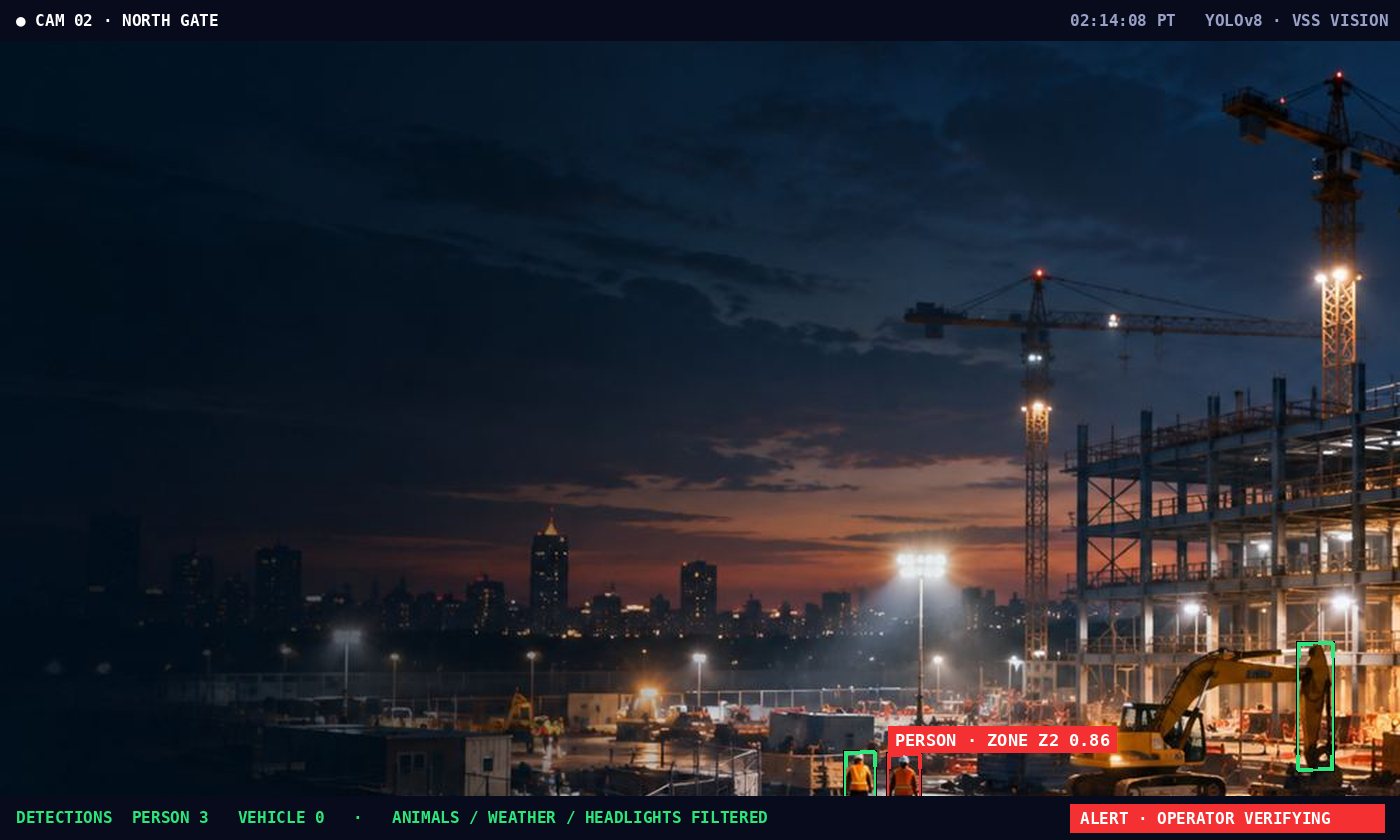
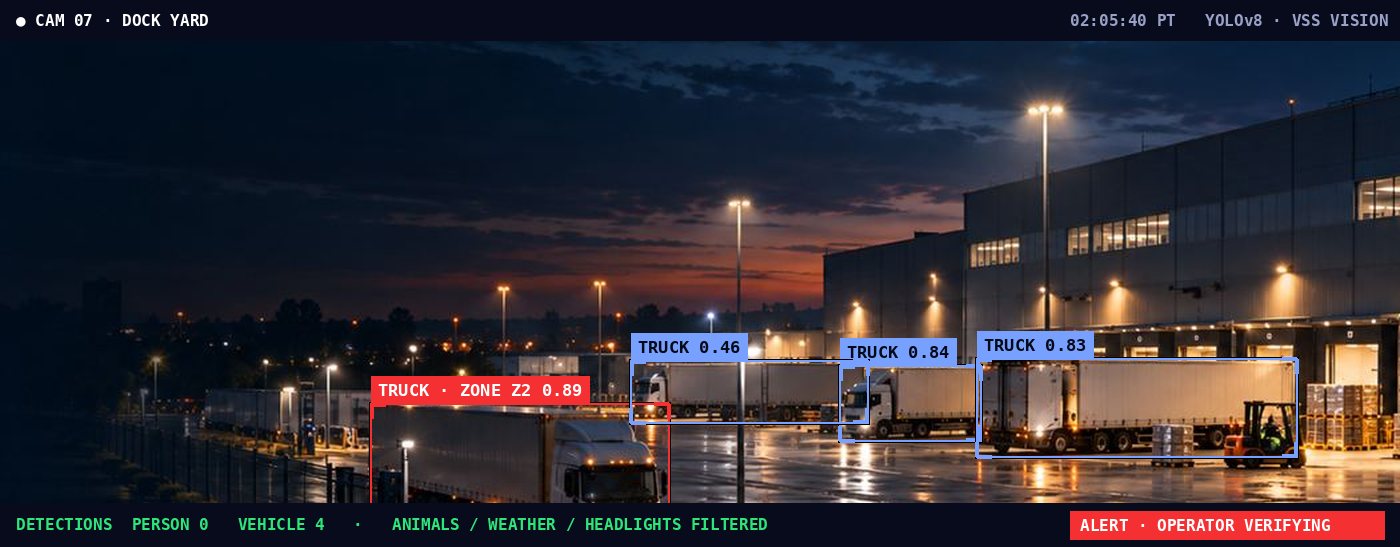
How to build a CCTV escalation protocol for an after-hours commercial site
The one document that decides whether monitoring works: who gets called, in what order, and what the operator is allowed to do.
An escalation protocol — we call them post orders — is the written agreement between you and the monitoring center about what happens when something is seen. Without it, operators guess. With it, every event is handled the same way, and you can check the work afterwards.
Start with the threshold: what counts as an event worth acting on? "Any person inside the fence after 9 p.m." is a threshold. "Suspicious activity" is not. Then the actions, in order: live audio warning, notification to the on-call contact, mobile response dispatch, police. Decide which actions the operator may take without calling you first.
Next, the contact tree: who is called first, how (phone, text, WhatsApp), how long to wait before the next contact, and who is the final authority at 3 a.m. Include the alarm company if you have one, and the property manager if the site is leased.
Finally, exceptions: cleaning crews, late deliveries, employees who work odd hours, contractors with after-hours access. An authorized-person list with schedules prevents the 1 a.m. phone call about your own night crew. Review the protocol quarterly — sites change, and so do the people on the list.
Related reading
REMOTE CCTV MONITORINGLive human CCTV monitoring vs. passive recording: what actually changes
Recorded CCTV tells you what happened. Live monitoring changes what happens. A plain comparison of cost, response and outcomes.
Read article
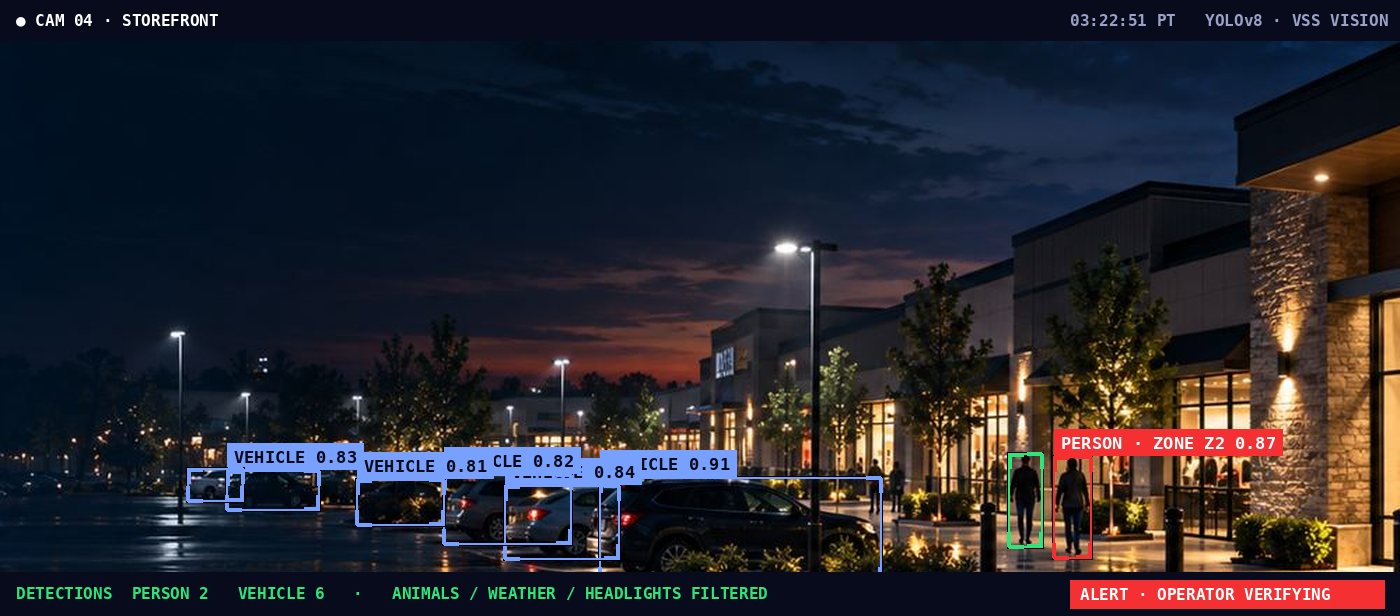
DELIVERY MONITORINGAfter-hours delivery monitoring: a receiving-door checklist for retailers
Early-morning deliveries before staff arrive are where short counts, damaged goods and unlocked doors meet. A checklist that closes the gap.
Read article
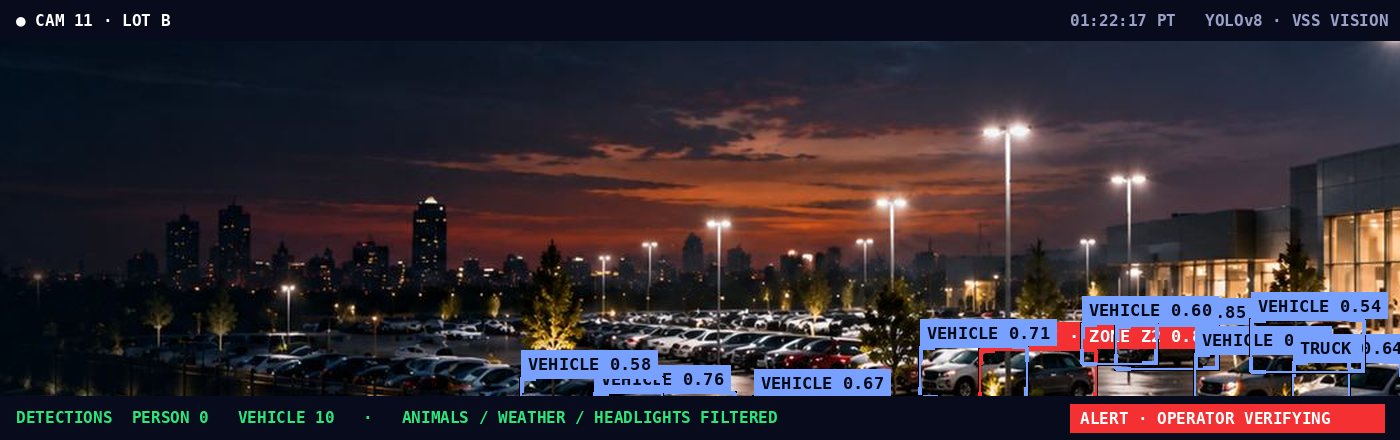
TRUCK YARD SECURITYTruck-yard monitoring: stopping trailer theft before the tractor leaves the gate
A loaded trailer can be gone in four minutes. The layers that give an operator time to act — gate, rows, fence.
Read articleGet a flat monthly price for your property.
Send a site address and a camera count. We come back with a coverage map, a recommended program and pricing — usually within one business day.